
Can Piles Go Away on Their Own?
Yes, mild piles can sometimes improve on their own, especially when the factors causing irritation or pressure are addressed. Piles, also called haemorrhoids, are swollen veins in and around the anus and lower rectum. For many people, symptoms may settle within a few days with simple changes in diet and bowel habits.
However, not every case of piles resolves without treatment. Persistent symptoms, repeated bleeding, significant pain, or prolapsed piles may require medical evaluation and treatment.
[SOURCED INFO FROM: NHS – Piles (Haemorrhoids)]
What Are Piles?
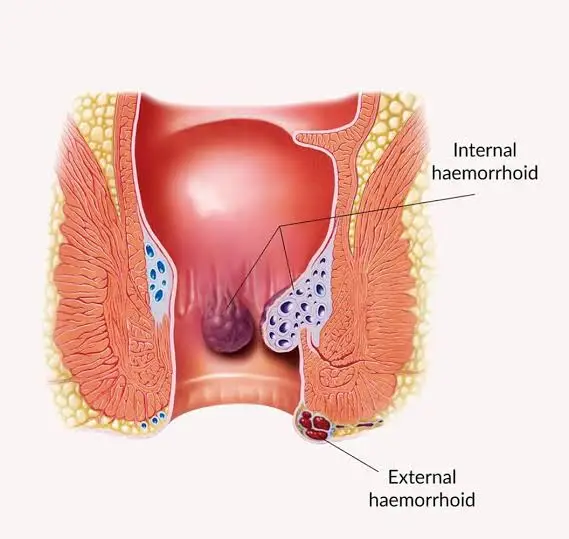
Piles, or haemorrhoids, are swollen and inflamed veins around the anus or in the lower rectum.
They are generally classified into two types:
- Internal piles, which develop inside the anus or lower rectum
- External piles, which develop under the skin around the anus
The symptoms can vary depending on the type and severity. Internal piles may cause bright-red rectal bleeding or prolapse, while external piles may cause itching, swelling, pain, or a tender lump.
[External Link: NIDDK – Hemorrhoids: Definition & Facts]
If you want to understand the difference between the two types in more detail, read Internal vs external piles
Can Piles Go Away on Their Own?
In some cases, yes.
Mild piles symptoms may improve within several days, particularly when constipation, straining, and prolonged toilet sitting are addressed.
The NHS states that piles often improve on their own after a few days. NIDDK also explains that many hemorrhoids can be managed with at-home measures and that treatment depends on the severity of symptoms.
[Sourced info from: NHS – Piles (Haemorrhoids)]
[Sourced info from: NIDDK – Treatment of Hemorrhoids]
However, “going away on their own” does not necessarily mean that the tendency to develop piles has disappeared permanently.
If constipation, straining, or other contributing factors continue, symptoms may return.
This is why it is important to address the habits and factors that may be contributing to piles.
How Long Do Piles Usually Last?
There is no single recovery time for everyone.
Mild symptoms may improve within a few days, while other cases may take longer to settle. The duration can depend on factors such as:
- Whether the piles are internal or external
- Severity of the symptoms
- Constipation or diarrhoea
- Repeated straining during bowel movements
- Toilet habits
- Dietary fibre intake
- Whether the area continues to be irritated
[Sourced from: Mayo Clinic – Hemorrhoids: Diagnosis and Treatment]
If symptoms continue despite reasonable home care, medical evaluation is appropriate.
What Can You Do at Home to Help Piles Improve?
If your symptoms are mild, several measures may help reduce irritation and make bowel movements easier.
1. Increase Your Fibre Intake
Fibre helps soften stool and can make bowel movements easier to pass.
Good sources of fibre include:
- Fruits
- Vegetables
- Whole grains
- Beans and legumes
- Other fibre-rich foods
Increasing fibre gradually can help reduce constipation and the need to strain.
[SOURCED INFO FROM: NIDDK – Eating, Diet & Nutrition for Hemorrhoids]
2. Drink Enough Fluids
Adequate fluid intake can help support softer stools, especially when combined with a fibre-rich diet.
Your individual fluid requirements can vary depending on factors such as your health, activity level, weather, and diet.
3. Avoid Straining
Try not to force a bowel movement.
Repeated straining increases pressure around the veins of the lower rectum and anus and can contribute to haemorrhoid symptoms.
[SOURCED INFO FROM: NIDDK – Treatment of Hemorrhoids]
4. Avoid Sitting on the Toilet for Long Periods
Spending a long time on the toilet can increase pressure around the anal area.
Avoid unnecessary toilet sitting, particularly if you tend to use your phone or read while on the toilet.
5. Stay Physically Active
Regular physical activity can support healthy bowel movements and help reduce constipation.
Avoid prolonged periods of inactivity where possible.
6. Consider Warm Baths
A warm bath or sitz bath may help relieve discomfort associated with piles.
Mayo Clinic includes warm baths among measures that may help relieve haemorrhoid symptoms.
[SOURCED INFO FROM: Mayo Clinic – Hemorrhoids: Diagnosis and Treatment]
Can All Piles Go Away Without Treatment?
No.
While mild cases may improve with conservative measures, some piles require medical treatment.
For example, severely prolapsed internal haemorrhoids or haemorrhoids associated with significant bleeding may require treatment by a healthcare professional.
[sourced info from: NIDDK – Treatment of Hemorrhoids]
The severity of piles also matters. Piles are commonly classified into different grades, and treatment can vary depending on the grade and symptoms.
What If Piles Keep Coming Back?
If piles repeatedly return, it is worth looking at the factors that may be contributing to them.
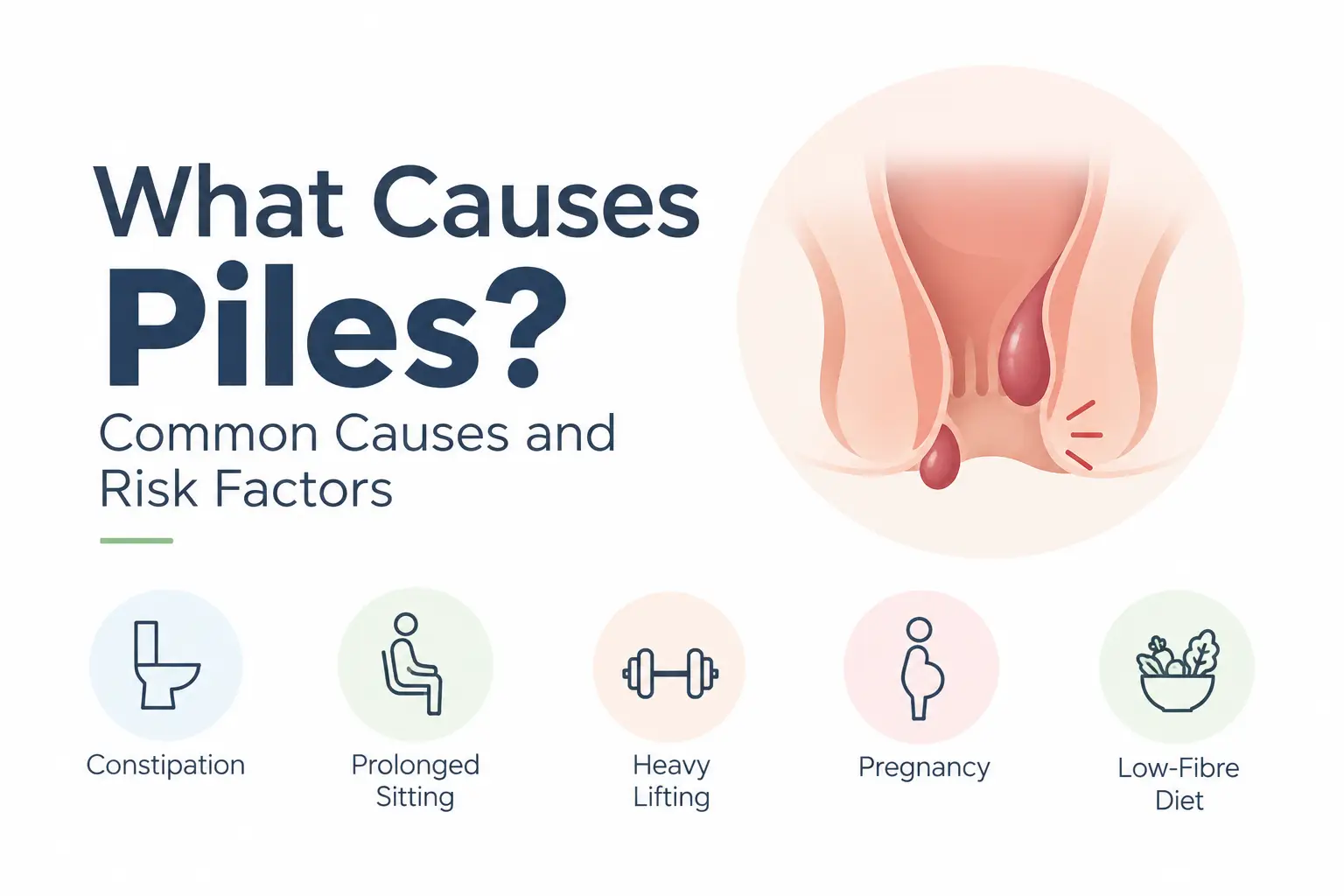
Common factors include:
- Chronic constipation
- Repeated straining
- Low-fibre diet
- Prolonged toilet sitting
- Chronic diarrhoea
- Pregnancy
- Age-related weakening of supporting tissues
- Frequent heavy lifting
[sourced info from: NIDDK – Hemorrhoids: Symptoms & Causes]
Simply waiting for symptoms to disappear each time may not address the factors contributing to recurrence.
Improving bowel habits and addressing constipation can help reduce the risk of future symptoms.
Can Bleeding Piles Go Away on Their Own?
Bleeding can occur with internal piles, but rectal bleeding should not automatically be assumed to be caused by piles.
Other conditions can also cause bleeding from the rectum.
[sourced info from: NIDDK – Hemorrhoids: Symptoms & Causes]
If you experience rectal bleeding, particularly if it is persistent or recurrent, it is important to seek medical advice rather than simply waiting for it to stop.
You can also read for more information.
When Should You See a Doctor?
You should consider seeing a doctor if:
- Symptoms continue after about a week of home care
- You have rectal bleeding
- Pain is severe or persistent
- A lump becomes very painful
- Piles repeatedly come back
- Piles protrude from the anus and do not improve
- Symptoms are affecting your daily activities
- You are unsure whether your symptoms are actually caused by piles
[sourced info from: NIDDK – Hemorrhoids: Symptoms & Causes]
Severe anal pain accompanied by rectal bleeding, particularly with abdominal pain, diarrhoea, or fever, requires prompt medical attention.
[sourced info from: NIDDK – Treatment of Hemorrhoids]
What Treatment Is Available If Piles Do Not Improve?
Treatment depends on the type and severity of the piles.
A doctor may initially recommend dietary and lifestyle measures for mild symptoms. If symptoms persist or the piles are more advanced, medical procedures may be considered.
Treatment options can include:
- Dietary and lifestyle changes
- Medicines for symptom relief
- Office-based procedures
- Minimally invasive procedures
- Surgery in selected cases
The appropriate treatment depends on the individual patient and the characteristics of the piles.
For more information about the clinic’s piles treatment options, see (Piles Treatment in Indore).
Does Every Person With Piles Need Surgery?
No.
Many people with mild haemorrhoid symptoms do not require surgery.
Depending on the type and severity of the piles, doctors may recommend conservative management or less invasive procedures before considering surgery.
[sourced info from: Mayo Clinic – Hemorrhoids: Diagnosis and Treatment]
The decision should be based on an appropriate medical assessment rather than the presence of piles alone.
Can Piles Be Prevented From Coming Back?
There is no guarantee that piles will never return, but healthy bowel habits can reduce the factors that contribute to them.
Helpful habits include:
- Eating enough fibre
- Drinking adequate fluids
- Avoiding excessive straining
- Avoiding prolonged toilet sitting
- Staying physically active
- Addressing constipation
- Avoiding unnecessary heavy lifting
[sourced info from: NIDDK – Treatment of Hemorrhoids]
These habits are particularly important for people who have previously experienced recurrent piles.
Frequently Asked Questions
Can piles disappear naturally?
Yes, mild piles symptoms can sometimes improve naturally within several days. However, persistent or recurrent symptoms should be evaluated by a healthcare professional.
[sourced info from: NHS – Piles (Haemorrhoids)]
How long do piles take to go away?
There is no fixed timeframe. Mild symptoms may improve within a few days, while other cases may take longer.
[sourced info from: Mayo Clinic – Hemorrhoids: Diagnosis and Treatment]
Can piles go away without surgery?
Yes. Many cases can be managed without surgery. Lifestyle changes, dietary measures, medicines, and office-based procedures may be sufficient depending on the type and severity.
[sourced info from: NIDDK – Treatment of Hemorrhoids]
Can piles come back after they disappear?
Yes. Symptoms can recur, particularly if factors such as constipation, straining, prolonged toilet sitting, or a low-fibre diet continue.
Should I wait for bleeding piles to go away?
You should not automatically assume that rectal bleeding is caused by piles. If you have rectal bleeding, especially if it is persistent or recurrent, seek medical evaluation.
[sourced info from: NIDDK – Hemorrhoids: Symptoms & Causes]
Do Grade 1 piles go away on their own?
Some mild haemorrhoid symptoms may improve with conservative measures. However, the appropriate approach depends on your symptoms and diagnosis.
When should I see a piles doctor?
Consider seeing a doctor if symptoms persist despite home care, if you have rectal bleeding, significant pain, recurrent symptoms, or if you are uncertain about the cause of your symptoms.
If you are looking for evaluation in Indore, see
Conclusion
So, can piles go away on their own?
Sometimes, yes. Mild piles symptoms can improve within a few days when the factors contributing to them are addressed. Increasing fibre, drinking adequate fluids, avoiding excessive straining, limiting toilet time, and maintaining healthy bowel habits can help manage symptoms.
However, not every case of piles will resolve on its own. Persistent symptoms, recurrent bleeding, significant pain, or prolapsed piles may require medical evaluation and treatment.
Most importantly, do not assume that every case of rectal bleeding is caused by piles. If symptoms persist or you are unsure about the cause, consult a qualified healthcare professional.
If you are experiencing persistent piles symptoms in Indore, you can consider consulting (Piles Doctor in Indore) for an appropriate evaluation.
Medical Disclaimer
This article is intended for general educational purposes only and should not replace an individual medical consultation. Persistent rectal bleeding, severe pain, or other concerning symptoms should be evaluated by a qualified healthcare professional.