
Internal vs External Piles: Symptoms, Differences & Treatment
If you’ve noticed pain, bleeding, itching, or a lump around your anus, you may be wondering whether you have internal piles or external piles. Although both are forms of hemorrhoids (piles), they differ in their location, symptoms, and treatment. Understanding these differences can help you seek timely medical care and prevent complications.
Piles are a common condition affecting millions of people, especially adults over the age of 30. They often develop due to increased pressure in the veins of the rectum and anus, leading to swollen blood vessels. While some cases improve with lifestyle changes, others require medical or surgical treatment.
In this guide, we’ll explain the difference between internal vs external piles, their causes, symptoms, diagnosis, and the most effective treatment options available.
Table of Contents
What Are Piles?
Piles, also known as hemorrhoids, are swollen and inflamed veins located in or around the anus and lower rectum. They develop when excessive pressure causes the veins to enlarge and become irritated.
Piles may be painless in the early stages but can eventually lead to bleeding, itching, discomfort, or pain during bowel movements.
If you’re unsure whether your symptoms indicate piles, read our guide on 10 Early Signs of Piles You Should Never Ignore.
What Are Internal Piles?
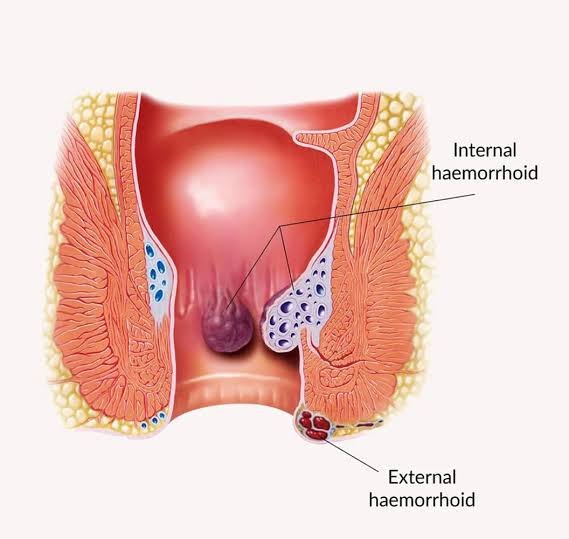
Internal piles develop inside the rectum, above the dentate line. Since this area contains very few pain-sensitive nerves, internal piles usually do not cause pain, especially in the early stages.
Many people are unaware they have internal piles until they notice bright red blood during bowel movements or experience tissue prolapsing outside the anus.
Because they are hidden inside the rectum, internal piles cannot usually be seen or felt without a medical examination.
Grades of Internal Piles
Doctors classify internal piles into four grades depending on their severity.
Grade I
The piles remain inside the rectum and may cause occasional bleeding without prolapse.
Grade II
The piles protrude during bowel movements but return inside on their own.
Grade III
The piles prolapse during bowel movements and need to be pushed back manually.
Grade IV
The piles remain permanently outside the anus and cannot be pushed back. These often require surgical treatment.
Early diagnosis significantly improves treatment outcomes and may prevent progression to advanced grades.
Symptoms of Internal Piles
Common symptoms include:
- Bright red blood after passing stool
- Painless rectal bleeding
- Mucus discharge
- Feeling of incomplete bowel evacuation
- Prolapsing tissue during bowel movements
- Mild discomfort or irritation
Many patients mistake rectal bleeding for piles. However, bleeding may also occur due to anal fissures, polyps, inflammatory bowel disease, or colorectal cancer. That’s why persistent bleeding should never be ignored.
Learn more in our article Does Bleeding During Stool Always Mean Piles?
What Are External Piles?
External piles develop under the skin around the anus, below the dentate line. Unlike internal piles, this area contains numerous pain-sensitive nerves, making external piles significantly more painful.
They often appear as soft or firm lumps near the anal opening and may become swollen, itchy, or tender, particularly after prolonged sitting or straining.
In some cases, a blood clot may develop inside an external pile, forming a thrombosed external hemorrhoid, which causes sudden, severe pain.
Symptoms of External Piles
People with external piles commonly experience:
- Pain while sitting
- Pain during bowel movements
- A visible lump near the anus
- Swelling
- Itching around the anal area
- Burning sensation
- Difficulty maintaining hygiene
- Tenderness when touched
Unlike internal piles, bleeding is usually less common unless the swollen tissue becomes injured.
Causes of Internal and External Piles
Both types share similar risk factors.
These include:
- Chronic constipation
- Frequent straining during bowel movements
- Sitting on the toilet for long periods
- Low-fiber diet
- Obesity
- Pregnancy
- Heavy weight lifting
- Chronic diarrhea
- Aging
- Family history
Reducing these risk factors plays a major role in preventing recurrence.
Internal vs External Piles: Key Differences
| Feature | Internal Piles | External Piles |
|---|---|---|
| Location | Inside the rectum | Around the anus |
| Pain | Usually painless | Often painful |
| Bleeding | Common | Less common |
| Lump | Usually not visible | Visible lump outside anus |
| Itching | Mild | Common |
| Swelling | Minimal | Significant |
| Diagnosis | Proctoscopy or anoscopy | Physical examination |
| Treatment | Medicines, banding, laser, surgery | Medicines, laser, surgery |
Which Type Is More Painful?
External piles are generally more painful because they occur in an area rich in pain-sensitive nerves.
Internal piles, however, may become painful if they prolapse or develop complications such as strangulation.
Pain alone cannot accurately identify the type of piles. A medical examination by a qualified proctologist is essential for diagnosis.
How Are Piles Diagnosed?
Diagnosis begins with a detailed discussion of your symptoms and medical history.
Depending on your condition, your doctor may perform:
- Physical examination
- Digital rectal examination
- Anoscopy
- Proctoscopy
- Sigmoidoscopy (if necessary)
- Colonoscopy (when other causes of bleeding need to be ruled out)
Accurate diagnosis is important because conditions like fissures, fistulas, rectal polyps, and colorectal cancer may produce similar symptoms.
Treatment Options
Treatment depends on the severity of your piles.
Lifestyle Changes
Many early cases improve with:
- High-fiber diet
- Drinking plenty of water
- Regular exercise
- Avoiding prolonged sitting
- Avoiding excessive straining
- Maintaining healthy body weight
Medicines
Doctors may prescribe:
- Pain-relieving medicines
- Anti-inflammatory medications
- Stool softeners
- Topical creams
- Suppositories
These treatments relieve symptoms but may not permanently eliminate piles.
Minimally Invasive Procedures
For moderate piles, treatment options include:
- Rubber band ligation
- Infrared coagulation
- Sclerotherapy
These procedures are performed without major surgery and usually involve minimal recovery time.
Laser Piles Treatment
Laser piles surgery has become one of the most effective modern treatments.
Benefits include:
- Minimal pain
- Less bleeding
- Day-care procedure
- Faster recovery
- Smaller wounds
- Earlier return to work
- Lower postoperative discomfort
Laser treatment is suitable for many patients with Grade II, III, and selected Grade IV piles after clinical evaluation.
Surgery
Conventional surgery may still be recommended for:
- Large prolapsed piles
- Recurrent hemorrhoids
- Complicated piles
- Failed conservative treatment
Your surgeon will recommend the most appropriate procedure after examination.
When Should You See a Doctor?
Seek medical attention if you experience:
- Persistent rectal bleeding
- Severe pain
- A painful lump near the anus
- Prolapsing piles
- Bleeding lasting more than a few days
- Black stools
- Weight loss with bleeding
- Fever with anal swelling
Ignoring symptoms may delay diagnosis of more serious conditions.
Why Choose ProctoCare?
At ProctoCare, Indore, Dr. Sunil Kuril provides comprehensive diagnosis and treatment for piles and other anorectal disorders.
Patients benefit from:
- Experienced General Surgeon and Proctologist
- Personalized treatment plans
- Modern diagnostic facilities
- Laser piles treatment
- Day-care procedures
- Compassionate patient care
- Detailed post-treatment follow-up
Whether you have internal or external piles, early diagnosis can help prevent complications and improve recovery.
Trusted Medical Sources
For additional medically reviewed information about hemorrhoids, their symptoms, and treatment options, you can refer to these trusted medical resources:
Piles (Hemorrhoids): Symptoms and Treatment: NHS – Piles (haemorrhoids)
Internal and External Hemorrhoids: NIDDK – Hemorrhoids
Symptoms and Causes of Hemorrhoids: NIDDK – Symptoms & Causes
Hemorrhoid Treatment Options: NIDDK – Treatment
Frequently Asked Questions
Can internal piles become external?
Internal piles may prolapse outside the anus in advanced stages, but they are not the same as external piles.
Which type of piles is more painful?
External piles are generally more painful because they occur in an area rich in pain-sensitive nerves.
Do internal piles always bleed?
No. Some internal piles remain symptom-free, especially in the early stages.
Can both internal and external piles occur together?
Yes. Some patients have both conditions simultaneously, known as mixed hemorrhoids.
Can piles heal without surgery?
Many mild cases improve with lifestyle changes and medications. Advanced piles may require minimally invasive procedures or surgery.
Is laser treatment suitable for both internal and external piles?
Yes. Depending on clinical evaluation, laser treatment can effectively treat both internal and external piles.
Conclusion
Understanding the difference between internal vs external piles helps you recognize symptoms early and seek appropriate treatment. While internal piles usually cause painless bleeding, external piles are more likely to produce pain, swelling, and visible lumps.
If you’re experiencing bleeding, pain, or discomfort during bowel movements, don’t ignore the symptoms. Early diagnosis allows for simpler treatment and better long-term outcomes.
Book a consultation with Dr. Sunil Kuril at ProctoCare, Indore, for expert evaluation and personalized treatment for piles and other anorectal conditions.